Damascus Museum
Location:
Damascus, Syria
Program:
Cultural and Administrative
Category:
Area:
30,000 sqm
A study on Damascene identity
The Damascus Museum explores the evolving relationship between Syrian architecture and identity, focusing on the cultural layers of Damascus. The design examines identity through five key perspectives, creating a space that reflects the city’s past, present, and future.
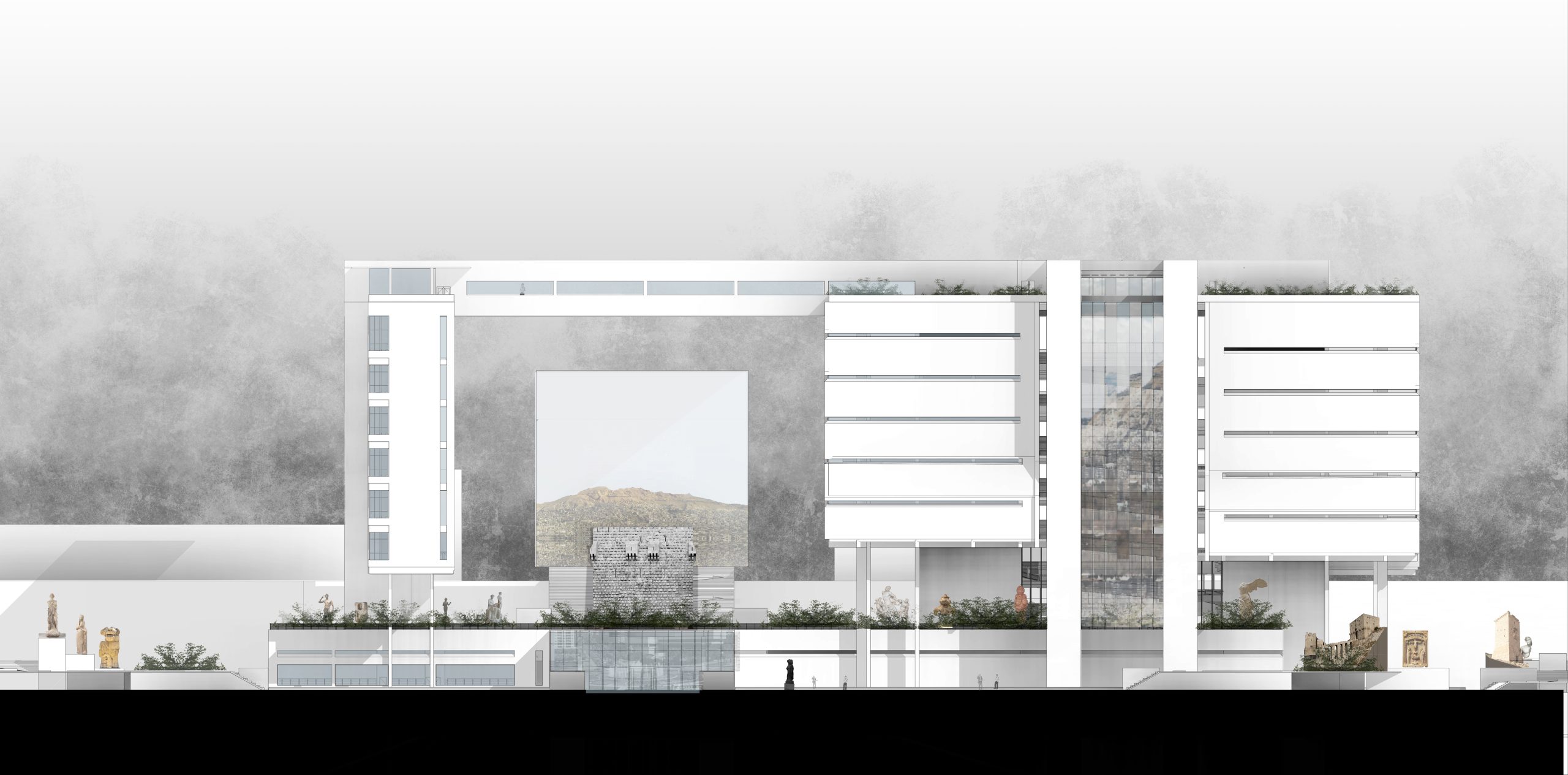
Facade
Key Features
The museum features open gallery spaces, a central courtyard, and observation decks with panoramic city views. Flexible spaces accommodate different exhibits, and natural light is provided by domes. Clear circulation paths and resting zones make the museum accessible and inviting for all visitors.
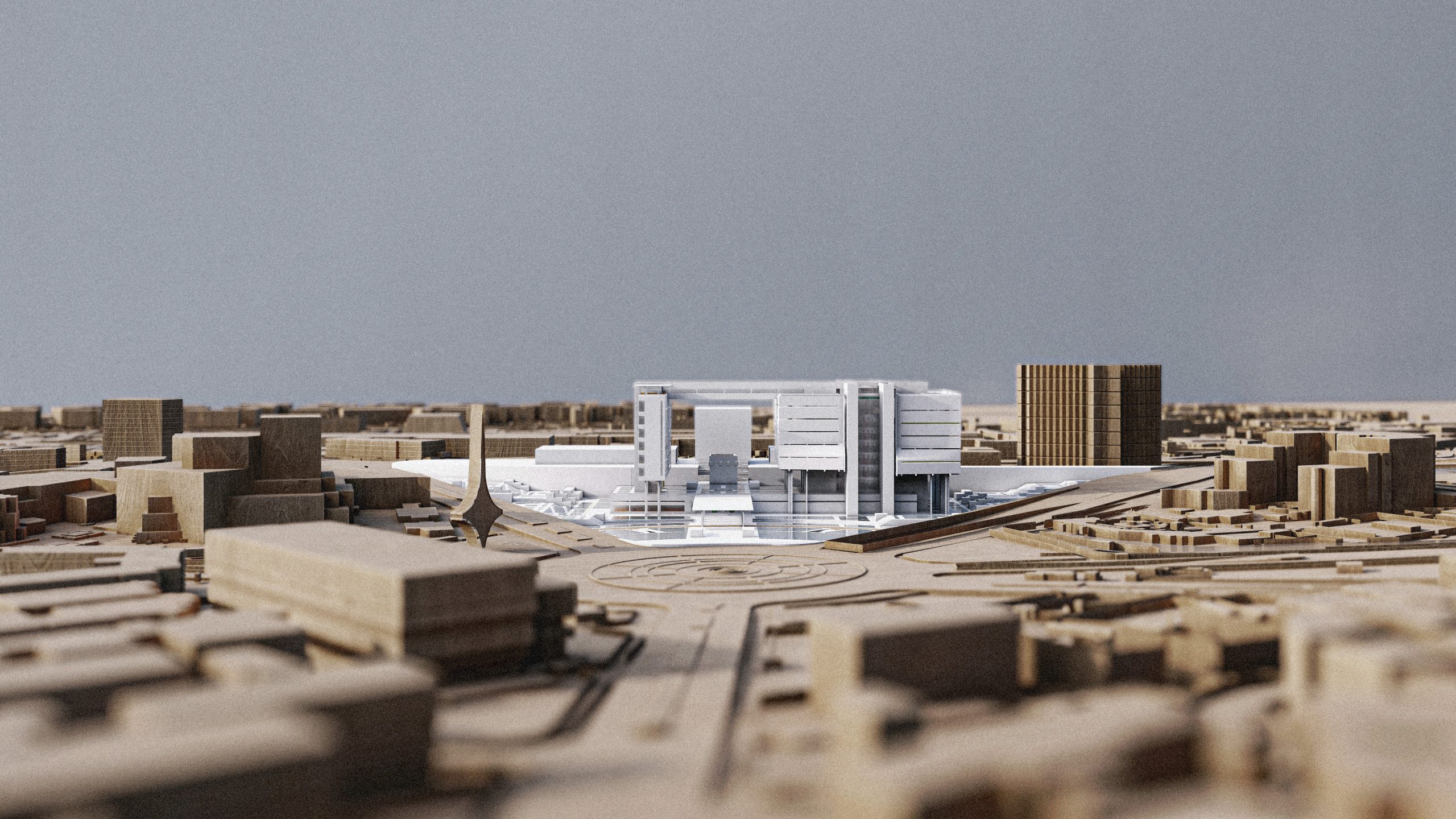
Visualization: A maquette showcasing the project in context.
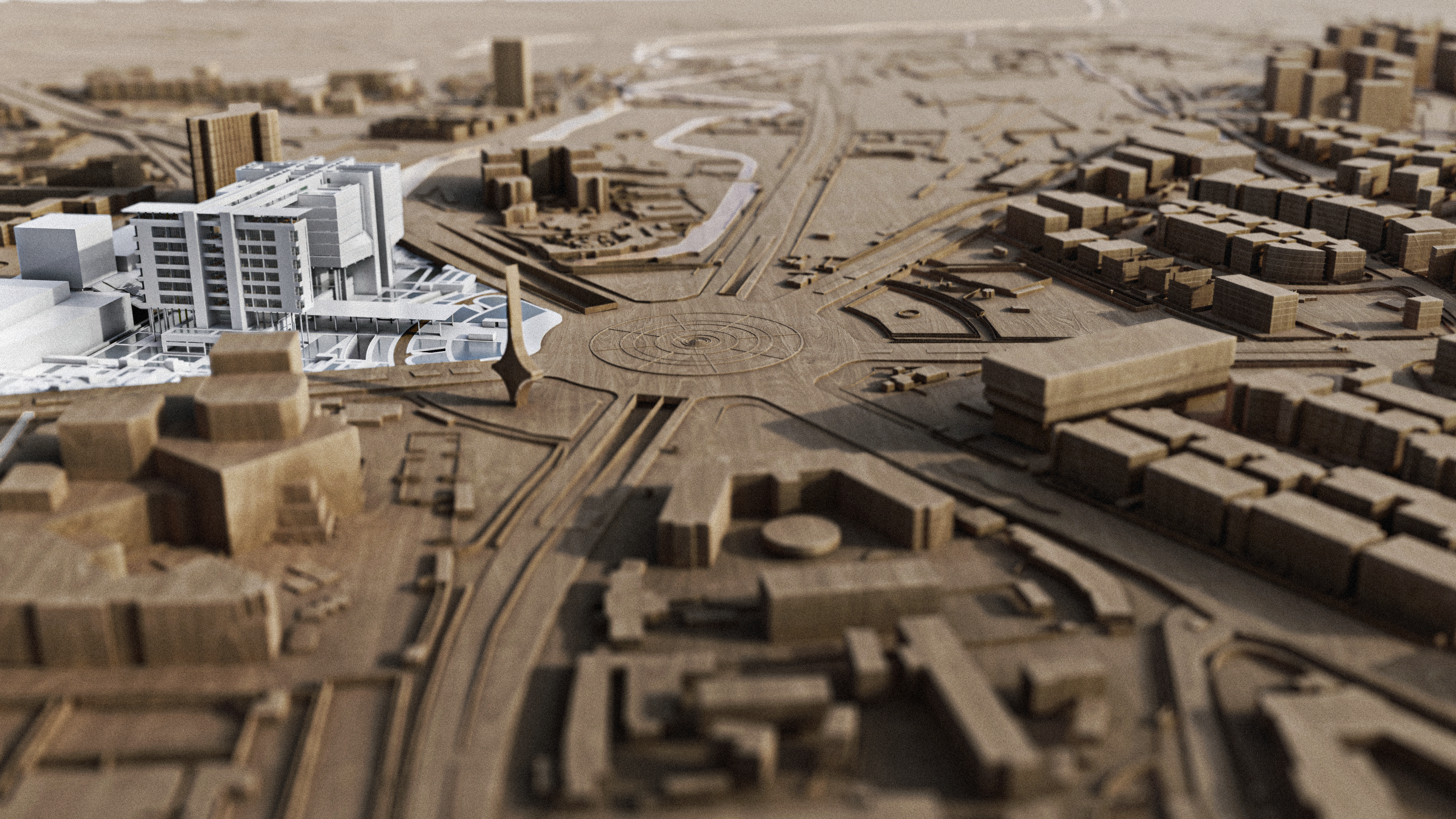
Visualization: A maquette showcasing the project in context.
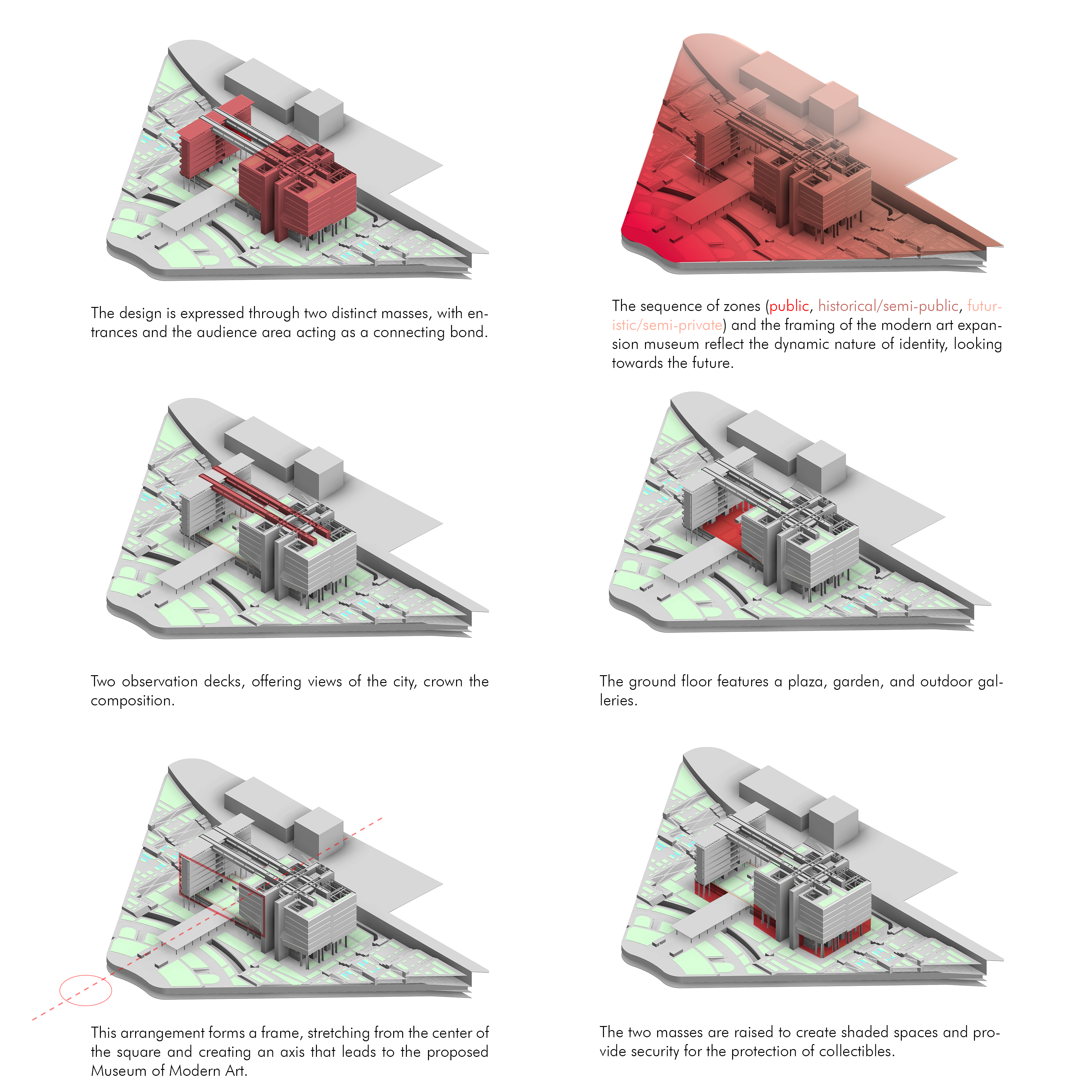
Diagram: The Key Design Features
Identity Layers in Design
The design explores identity through five layers: Dynamic Identity, Identity by Experience, Conscious Identity, Spatial Identity, and Inferential Identity.
Dynamic Identity: Identity is seen as ever-changing. The museum’s design guides visitors through time, from ancient history to a vision of the future, reflecting the city’s continuous transformation.
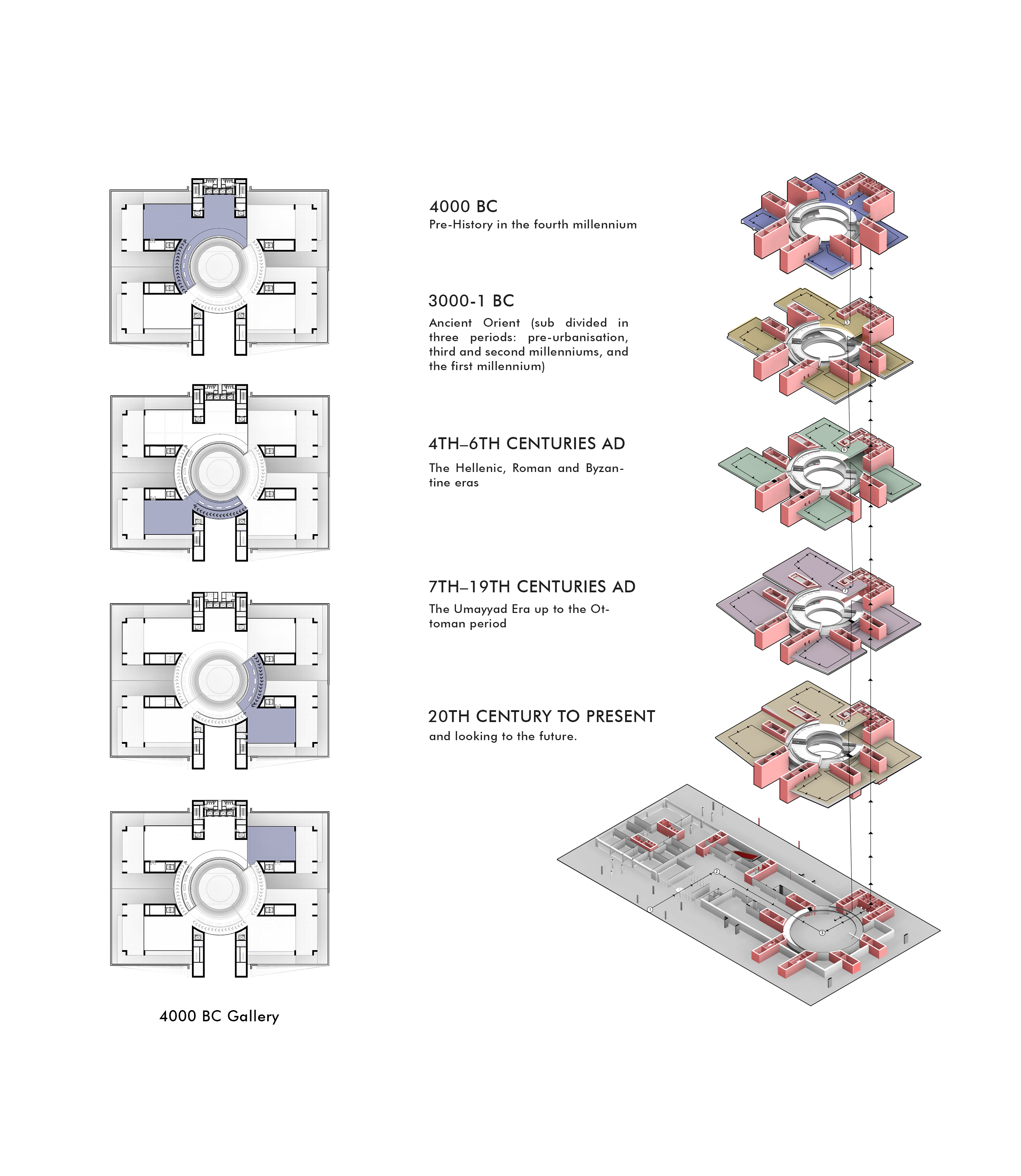
Diagram: Galleries’ circulation
Identity by Experience: Visitors engage with the space through sensory experiences. Key symbols like Qasioun Mountain, Barada River, and Ghouta anchor the journey, evoking emotional connections to Damascus’s geography.
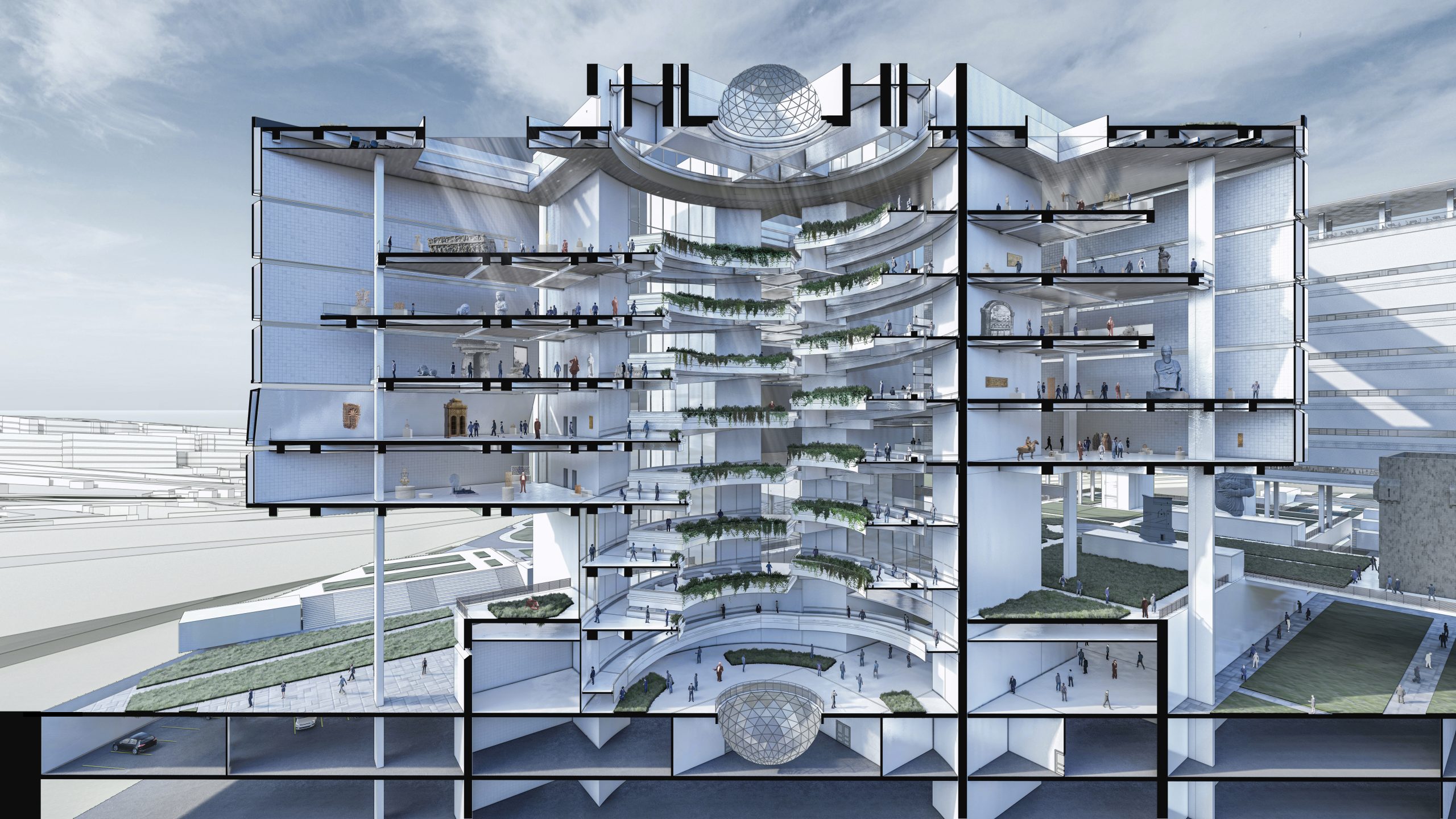
Section 1
Spatial and Conscious Identity: The design directly references the city’s landmarks, such as a central courtyard and observation decks, fostering a conscious connection between visitors and Damascus’s identity.
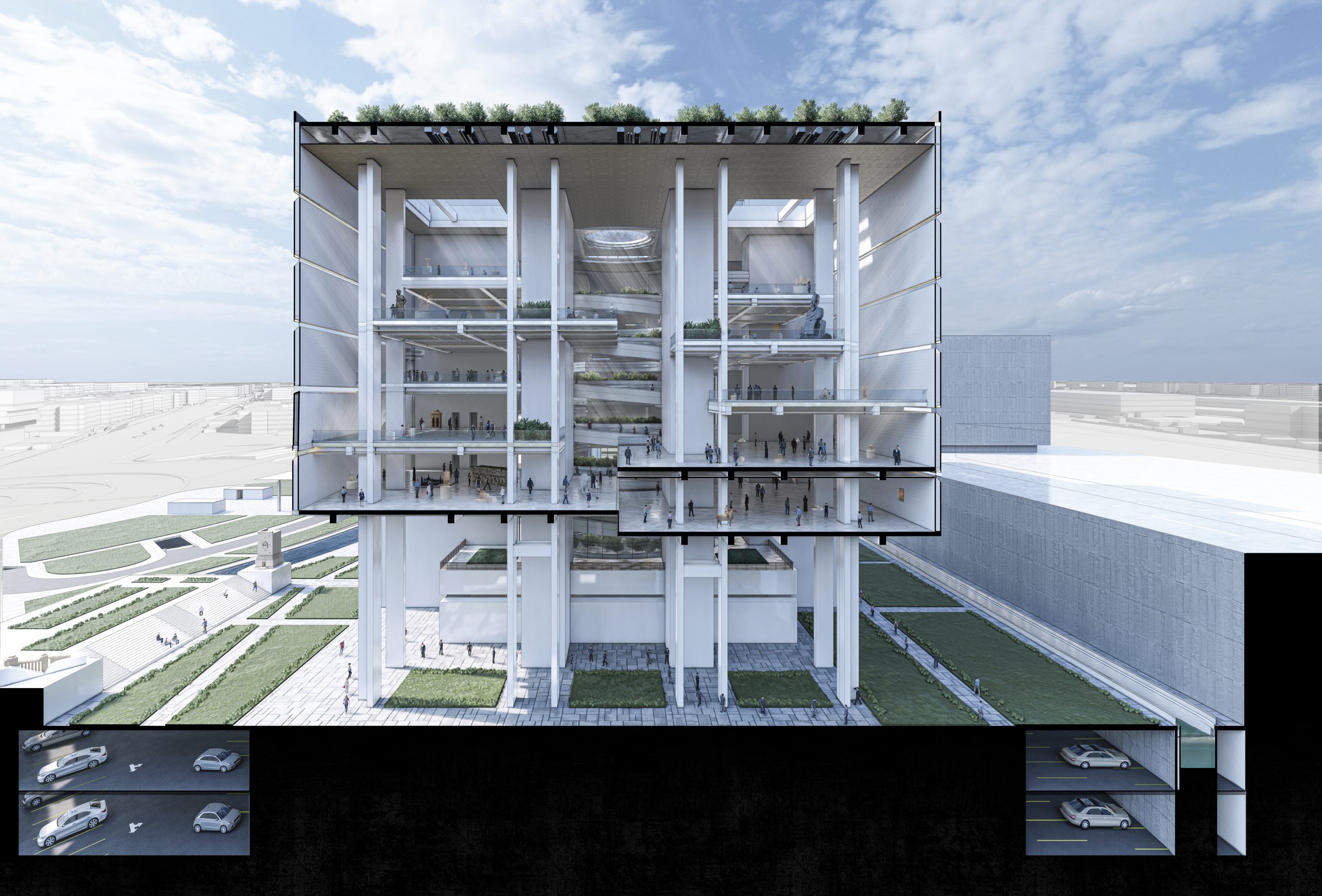
Section 2
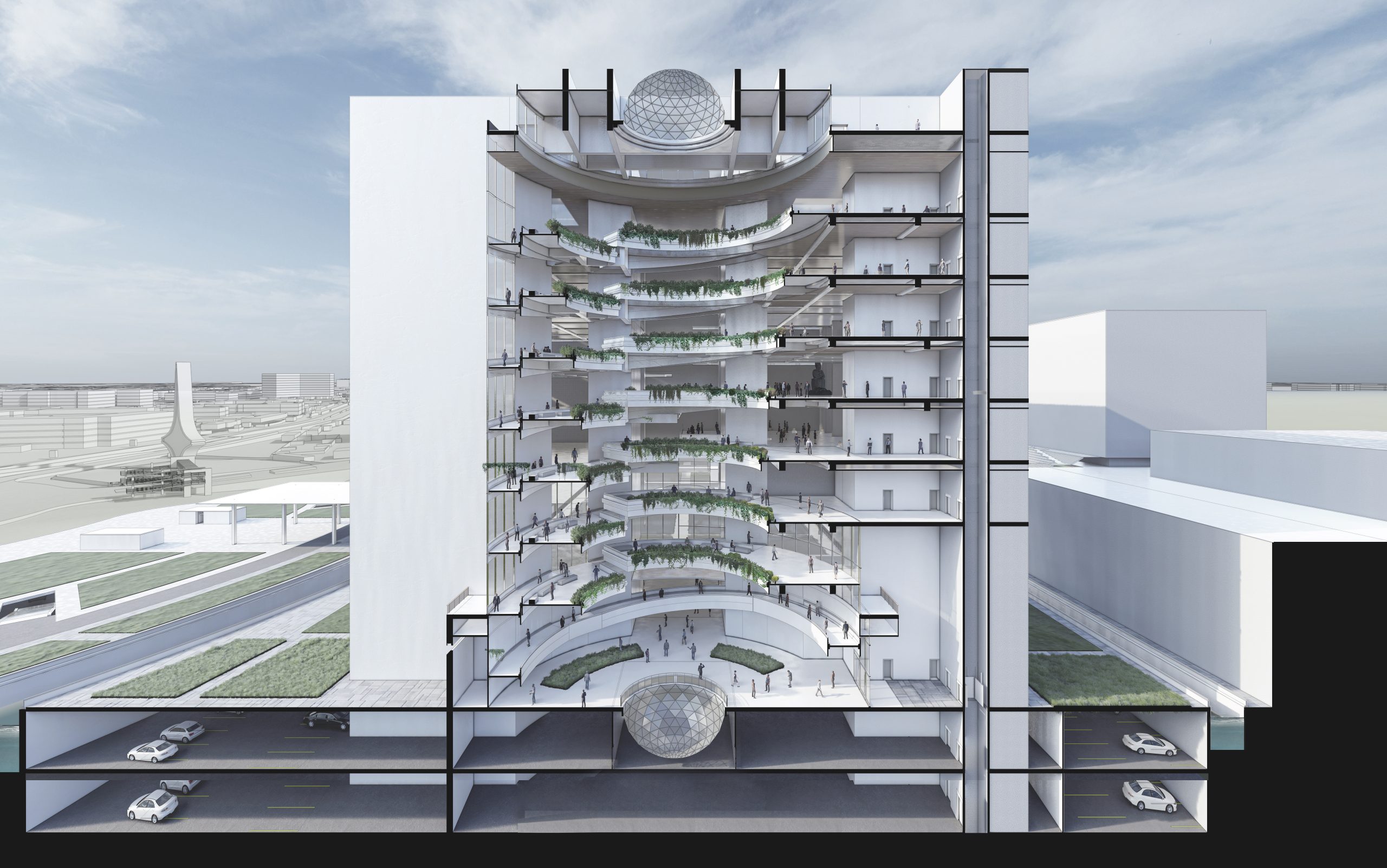
Section 3
The project was nominated to represent Damascus University in the Archiprix International Competition. https://www.archiprix.org/2021/projects/4656